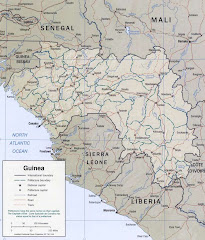
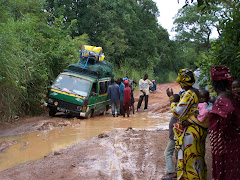
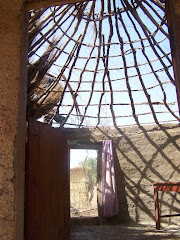
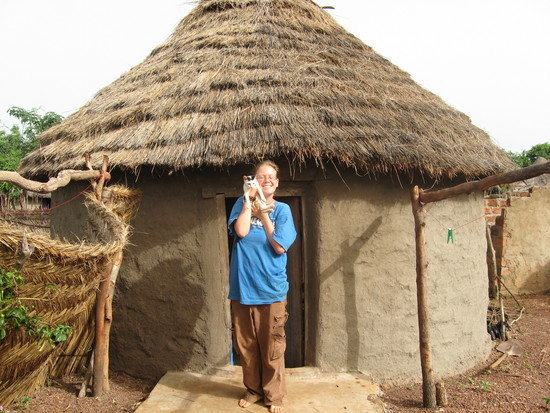
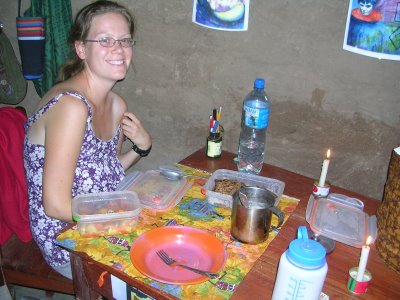
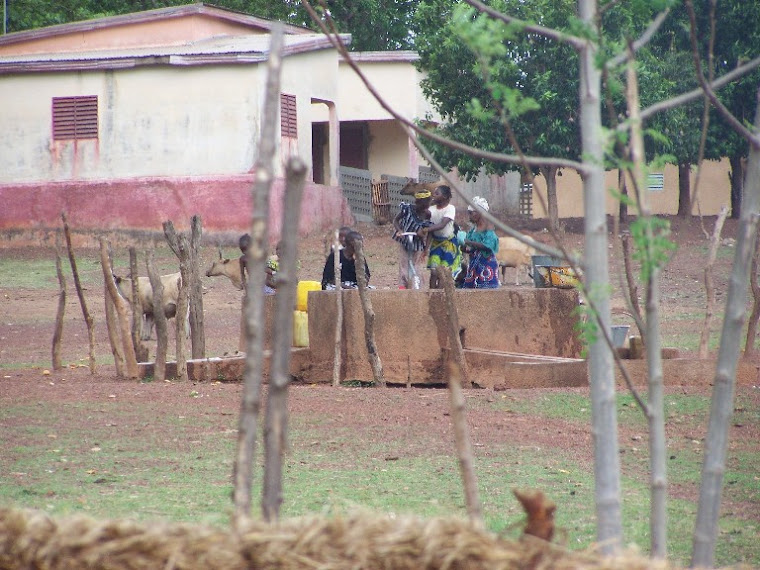
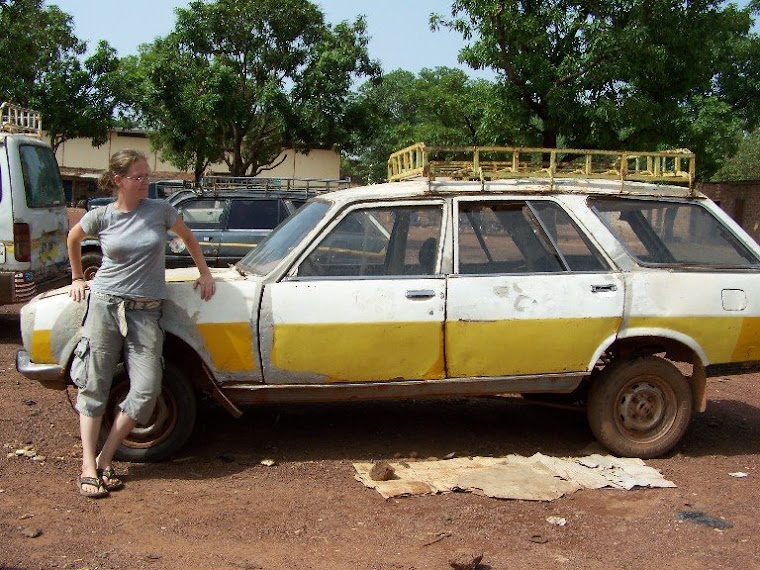
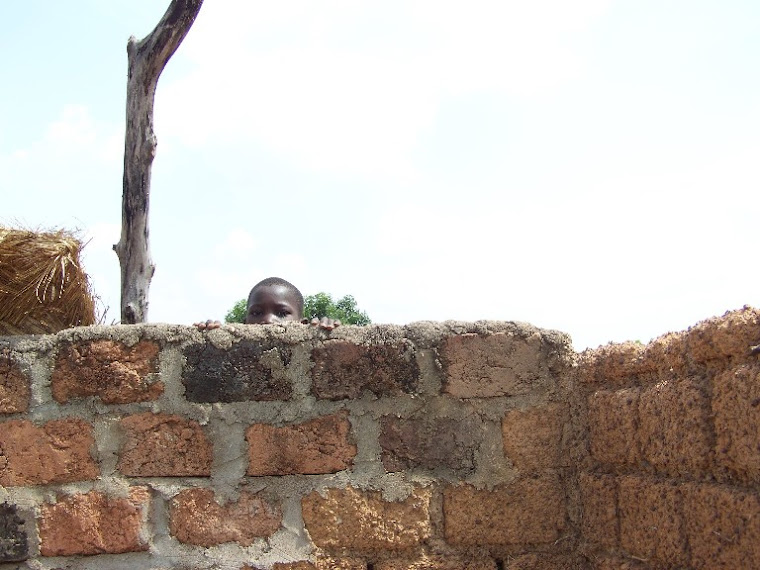
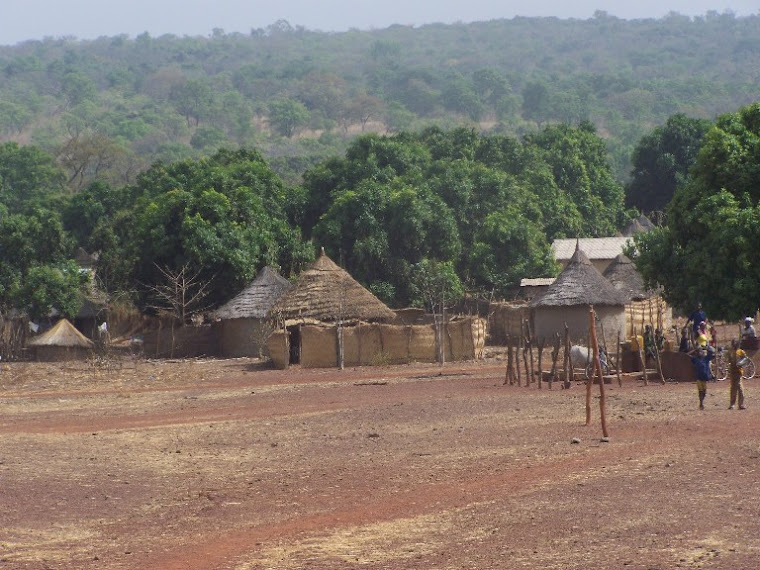
I think adjusting to life in the village will be just as interesting as adjusting to life in Guinea has been. There is just no way to know what to expect next but everything always seems to work out. That is one thing I have learned from Guineans. They are so used to things going wrong they just don't worry about it when it does and in the end everyone is ok (except when their not but there's nothing you can do about that). If you manage to find a taxi that doesn't break down in route you have just had a great day. When I left Mondiana (The village next to mine where I can get a Taxi) to go to Kankan (my regional capital) the taxi broke down about fifty feet from the garage. The cabby got out, took off the carburetor with a screwdriver, taped it on the side of the car, blew on it a couple of times, and put it back on. IT WORKED! The car made it. It struggled like hell the whole way and we had to stop to give it a break every now and again, but it made it. I couldn't believe it. The stores are never stocked with what you need so you learn that you don't need it and you stop worrying about it. Guinean spoon, right hand, Guinean toilet, paper left hand. No need to buy anything. But don't get the two mixed up or you will spend a whole lot of time using your left hand. The people here are so kind and generous. They are always willing to help out a stranger. They all understand struggle and know that one day they will need help to. Something else I have learned here; there is no shame in needing a little help. Most of them actually jump at the chance to help out a stranger and feel very proud they were able to do it; you can see it on their face. All the Volunteers that have been in country a while are amazing. They have done everything we asked them to do. Navigating Guinea without them would have been impossible. They take us into the city to get the things we want. Tell us which restaurants will probably not get us sick and has food that we will like. Any time we all want to buy something they just tell us how much it costs, collect the money, and go get it. It’s not like you can just go to Target and find what you’re looking for. You have to know who has what you want and then talk to that person for a half hour or more on how much that thing should cost. On the bigger items it is amazing that they are willing to just do it for us. They have spent the last two days helping us get stuff for site and it’s not over yet. I can't wait for the next group to come in so I can be the one to show people around and help out. When we say thanks they just say, "do it for the next group, someone did it for us". Plus I don't like asking for help. I know there's no shame in it, I still don't like it. Well not yet anyway. Whoever said people can't change, never did anything challenging. I don't remember what I have told people about my new village so I will just say it again now. I am moving to Faralako on the 14th. It is a very small village. They don't even have a weekly market. My market is in Mondiana. That is about three/five K and it is a really pretty walk/bike ride. The best part about my village being so small is that there is no trash everywhere. There is nothing much to buy, and whatever waste they do have they just burn.
My village name is Binta Djackieta.
They like giving us African names because it is easier for them to pronounce and remember. I was against this practice in the beginning; my village name during training was Bountoo Camera. I thought it was stupid. But when I went to visit Faralaco and met the Mayor, a toothless man without shoes eating with his hands outside his hut, he asked me what my village name was. I said I didn't have one in hopes they would just let me keep my name. He looked disappointed tried and failed again to pronounce Alison and then asked why I don't have one. He was the last of a long list of people I had met that day, I was tiered, so I just shrugged my shoulders and said it wouldn't be right for me to name myself. His eyes and smile widened, he sate up straight (well straighter) and cleared his throat. Obviously the task of naming me was now his and he couldn't be happier about the responsibility. I was accompanied by my work counterpart and the man that will be my brother in the village. He is about 40 something and as a teacher one of the few French speakers in the village. The mayor said in a very declarative voice “Binta Jolo.” At this my "brother" started yelling. From what I understood of the Monikaka conversation, my name could not be Jolo because I was to be cared for by the Djackieta family and why would he say Jolo. The Mayor explained that the last volunteer would was a Jolo so I should be as well. They argued for another five minutes and then the Mayor turned to me, smiling, wide eyes, straight back, and declared Binta Djackieta. I found the argument funny so I took the name without argument. For the rest of my visit everyone had retold the story to me. As I was introduced to people they would tell me my name and say not Jolo Djackieta and laugh hysterically. So I like the name thing because it helped me break the ice with everyone in my village. And as they all knew my name before I had ever seen them it must have made it easier for them to remember.
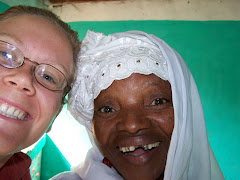
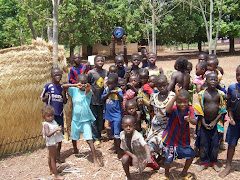
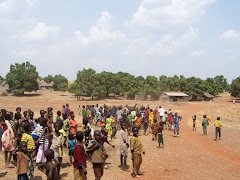
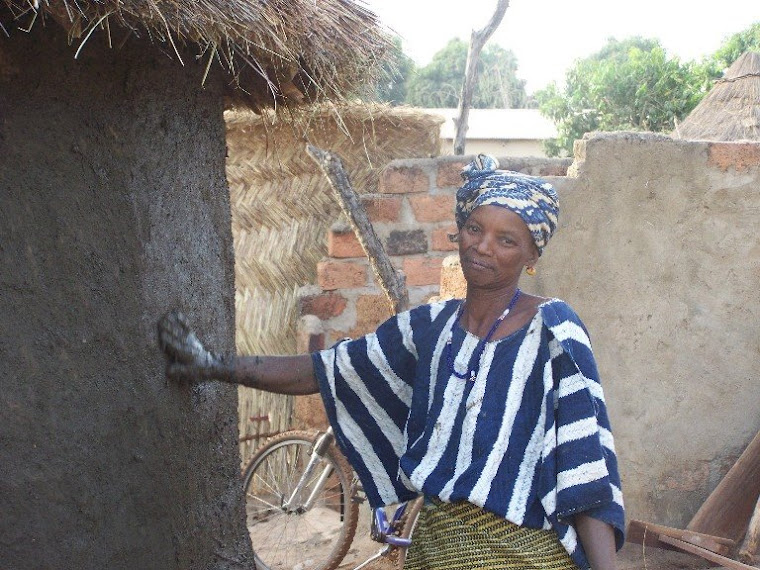
I am looking foreword to getting to know the people of my village. They appear to be such a warm and loving people. They were always smiling and joking and seemed very care free. I can't wait to work with them and I hope I can find a way to make their lives easier. I will be working with three women’s gardening groups.
Project potentials
1) Mud stoves, the Guinean cooking method is very simple. Three rocks hold up a large pot and a wood fire burns underneath. With the Mud stove they use half the work and can cook in half the time. The open fire method also causes long term long and eye problems that can lead to blindness and death.
2) Live fences. They would have to spend time cutting done trees and grasses or mending the fences if i find the right bush.
3) Fire break. Brush fire is a huge problem in Guinea and the current solution is to just start the brush fire early in the season while the grasses are still wet so they don't get out of control and burn down the village. Unfortunately they sometimes still get out of control and that technique ruins the earth for planting. But planting certain trees can actually stop the brush fires so I hope to try a project like that but it is a hard one to get started. It takes a long time to establish and they are more worried about putting food on the table then that type of environmental issue.
4)Maringa. “The tree of life.” It is not native to Guinea so they don't know a lot about it. But it grows easily hear, you can literally chop of a branch and stick it in the ground in a few weeks you will have new growth. It has been called the tree of life. It has more Vitamin C then oranges, more iron then spinach, and so on through all the vitamins and minerals. It is used around the world to cure most any disease you can get. It is great and I have been talking to the Health volunteer in Mondiana about getting the docs to prescribe it as a prenatal vitamin. My ladies get something that will sell and everyone else gets healthy. Win, win
02/26/2008
Well I have been at site for just over a week and we came into Kankan to greet the US ambassador who is making his first rounds of the country. I have been very excited to see the other PCVs while here, it is amazing how close you can get to people in such a short period of time. I am looking foreword to going back to my village though. The village has put on a soccer tournament, some of which I am missing now. Before each game I shake the hands of all the kids playing say a word or two and then kick out the first ball. It’s all very cute. The last game is March third and there will be traditional drums and dancing afterword. I have made some friends in my village but most people there speak no French at all so it is slow going. I'm sure it will get easer soon when I pick up the local lang. better. The woman that is my village mom is incredibly nice. I love her. We have almost no common words between us but we still manage to spend a lot of time together and know what the other one is talking about. She stops by twice most days to see if I need anything and we take tours around the village to meet people. She tells me I am a chicken because when they eat they share a bole so they eat quickly in order to get enough. They don't have any water until the end of the meal, and at no other point during the day, again they share a cup so they down the whole cup in one gulp in order to pass it on quickly to the next person. They also tend to eat a large amount at one time rather than a few smaller meals during the day, cooking is a pain so they just assume do it once. I, on the other hand take small sips and small bite all day long. Eating mostly grains and veggies she just laughs and calls me chicken. My name continues to cause controversy but I am sticking with the one I've got. While most of the people in my family have a different last name, causing some confusion, I found out that woman don't change their last name when they marry and my moms last name is Djackieta to I just say I am her kid and no one else. She's the only one I consider family anyway. Getting used to village life has been hard. We were finally getting used to things at training and it all changed again. But as I get to know people it gets easier. Doni Doni (little by little) whenever I have a bad day, or a bad hour as there are a lot of ups and downs during the day, I say that to make myself feel better. When others see me struggling and give me a look of how can I help. I smile and say that to them, it is one of the few monikaka things I know, and it always makes them laugh and we all relax a little bit. Although this has been a very intense experience I can feel myself easing, if not slowly, into life here and am looking foreword to having work to do during the day. As spring hits and your temperatures start to turn pleasant just think of me over here next month is supposed to be the hottest of the year. There hasn't been rain since November so everything is dust and we won’t see a drop of it until May. But I have always wanted to experience this kind of life and am looking foreword to it, if not a bit apprehensive. Just get a hair dryer set on high pointed at your face throw in some dust and you can pretend you are here with me. All my love and sweating a lot
Tuesday, July 15, 2008

Feb. e-mails
02/08/2008
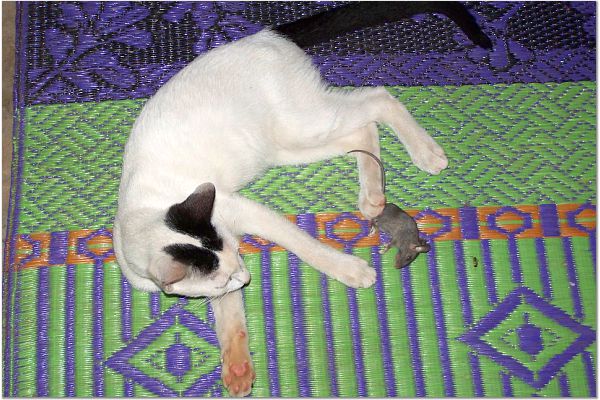
Well it's official. I swore in as a volunteer today. There was a ceremony with some of the important people of Guinea including the U.S. ambassador and some other NGO heads. It was nice, it didn't take to long, and there was food. When we got into the capital I went to a Chinese restaurant I had heard of and it was the best food I have had in country. In fact it was some of the best Chinese food I have had period. Today I tried an Indian restaurant. It was good but very expensive. Anyway my new village won't have much for me to buy so I might as well splurge while I have the chance. The Lebanese have little grocery stores all over Conakry so I also went there today and spent a tone of money on things like beans and spices and more western foods that I won't be able to find up country. The last few weeks of training were great! I learned a lot about agro forestry and I am finding that I am quite passionate about it. I think if all goes well over the next two years I would like to go back to school for it and make a career out of it. I have gotten really close to some of the other trainees. To be honest it would be impossible not to. When you share these types of experiences with people they become good friends, even people you wouldn't have talked to in the states or didn't like at first, you just learn a lot together. Like the most comfortable squatting position when you have the shits (the only way to poop in country), and the best way for keeping the mouse out of the bed at night (the little suckers have no problem getting through the mosquito netting). But all in all it has been a wonderful experience. I have started to find laundry meditating; it takes so long you might as well. I also find that I am able to get things cleaner then the machine could. The Day I turned a badly dirt and grass stained sock white was a proud day.
I tested out of French at Advanced High which made me feel very proud because the only thing above it is fluent. When I got here I tested into Intermediate low ( rating goes; 3 novice, 3 intermediate, 3 advanced, fluent) The PC language program is internationally recognized and advanced high will look really good on my résumé, plus I can argue over prices with the best of them. Not that this will help much in my village as almost no one there speaks French. I will be living in a Malinka village where they speak Monika. Guineans only learn French when they go to school and my village is very small and most have never been. I was interviewing one of the groups I will be working with and of the 64 only four were literate in any language. This was a big wake up call for me. The village we did the training in was fairly large and most had some form of education. Even though I knew the literacy rate here was low I guess I just never really got it. When I asked how many people in the group could read they all actually laughed at me. They just thought it was a funny thing to care about. So I guess by the end of my tour I will be speaking Monikaka well. It is spoken all over West Africa so it will be useful if I travel outside of Guinea.
I already have a lot of project ideas for my new village so I am really excited to get started.
Well it's official. I swore in as a volunteer today. There was a ceremony with some of the important people of Guinea including the U.S. ambassador and some other NGO heads. It was nice, it didn't take to long, and there was food. When we got into the capital I went to a Chinese restaurant I had heard of and it was the best food I have had in country. In fact it was some of the best Chinese food I have had period. Today I tried an Indian restaurant. It was good but very expensive. Anyway my new village won't have much for me to buy so I might as well splurge while I have the chance. The Lebanese have little grocery stores all over Conakry so I also went there today and spent a tone of money on things like beans and spices and more western foods that I won't be able to find up country. The last few weeks of training were great! I learned a lot about agro forestry and I am finding that I am quite passionate about it. I think if all goes well over the next two years I would like to go back to school for it and make a career out of it. I have gotten really close to some of the other trainees. To be honest it would be impossible not to. When you share these types of experiences with people they become good friends, even people you wouldn't have talked to in the states or didn't like at first, you just learn a lot together. Like the most comfortable squatting position when you have the shits (the only way to poop in country), and the best way for keeping the mouse out of the bed at night (the little suckers have no problem getting through the mosquito netting). But all in all it has been a wonderful experience. I have started to find laundry meditating; it takes so long you might as well. I also find that I am able to get things cleaner then the machine could. The Day I turned a badly dirt and grass stained sock white was a proud day.
I tested out of French at Advanced High which made me feel very proud because the only thing above it is fluent. When I got here I tested into Intermediate low ( rating goes; 3 novice, 3 intermediate, 3 advanced, fluent) The PC language program is internationally recognized and advanced high will look really good on my résumé, plus I can argue over prices with the best of them. Not that this will help much in my village as almost no one there speaks French. I will be living in a Malinka village where they speak Monika. Guineans only learn French when they go to school and my village is very small and most have never been. I was interviewing one of the groups I will be working with and of the 64 only four were literate in any language. This was a big wake up call for me. The village we did the training in was fairly large and most had some form of education. Even though I knew the literacy rate here was low I guess I just never really got it. When I asked how many people in the group could read they all actually laughed at me. They just thought it was a funny thing to care about. So I guess by the end of my tour I will be speaking Monikaka well. It is spoken all over West Africa so it will be useful if I travel outside of Guinea.
I already have a lot of project ideas for my new village so I am really excited to get started.
Sunday, July 6, 2008
Blogs of other volunteers:
http://tckinguinea.blogspot.com
alittleblury.blogspot.com
www.travelpod.com/members/kylejesw
http://cuseinafrica.blogspot.com
http://tckinguinea.blogspot.com
alittleblury.blogspot.com
www.travelpod.com/members/kylejesw
http://cuseinafrica.blogspot.com
Well after much pushing I have finally decided to start a blog. No more mass emails. Things are starting to move along more quickly now. I have started work in a near by village and my own garden is coming along quit nicely. That’s about it for my day to day life, kind of boring but nice. When I first got here I think I felt like I was interrupting my life. I was in a strange place surrounded by very strange people. It could not have been life. Now however I am more comfortable and carving out my little notch in the village. Now I just feel like I am living my life, perhaps just a strange part of it.
Points of interest for the month –
A wedding
I went to a wedding for the regional driver at the begging of June. It was interesting and very different from the weddings I am used to. All those coming from Kankan went in the same car. It was about two hours away but in true Guinean stile we broke down along the way. We were crammed in, with more butts than seats. Our welcoming to the village was unreal. The bus pulled into the center of town where hundreds of children waited. As soon as they saw us they started screaming. They were banging on the sides of the bus. As we got off they were falling over each other trying to touch us or if they were lucky shack our hands. I feel like a celebrity here often but on this day I could have been the Beatles surrounded by a bunch of prepubescent girls. It was nuts.
As always there was a lot of food. But not served at a reception just at the groom’s house, you could go back and eat if you want. There were two ceremonies, a religious and a civil. The religious ceremony took place in the Mosque. The bride and groom entered through separate doors, sat at opposite ends of the room, and left through separate doors. At no time during the ceremony was the bride addressed or acknowledged. After that ceremony she walked around to the other side of the building where he was standing and they got into a car. It was very reminiscent of back home. People were throwing confetti and cheering for the couple. They were taken to the village office where an official waited. This time they sat next to each other at the front of the room. The official read the marriage law out of a book basically saying that the man was the head of the household and that the woman now had to live with him. It was strange as this ceremony was held in French. A language that some of the men could understand, including the groom, but none of the woman, including the bride. But that’s how it went. The groom paid the marriage fee of five hundred GF, five thousand = 1$, they kissed on the check and that was it. Outside was a hammock under what looked like a covered coffin. Four men carried it on their heads and the bride got in. They carried her like that around the whole village. I am told that this is reserved for only the important woman of the village, her father is the Imam. The procession ended at the groom’s house where she was presented to his family. This represents that she is no longer a part of her family but a part of his. It is tradition for the bride to cry most of the day and act upset because she is loosing her family and everything she has known.
Her mother is no longer her mother his mother is, although I saw her smiling more than once. I think she was happy about the arrangement. She is his second wife. Something I am used to only if I don’t actually know the woman. He has two wives, no big deal. But with families I know I still feel bad for the woman and disappointed in the men. Before we left for his village I was “talking” with his first wife and she was visibly upset that he was taking another wife. Although I love our driver, I hate that he thinks he should have more than one wife.
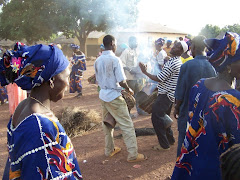
After the new wife was presented to his family everyone went back to the center of town where we watched people dancing. Only small groups dance at a time while the rest of the village watches. Not exactly the free for all we are used to. After the dancing everyone went back to the grooms for food. The bride was ceremoniously carried into the bedroom and everyone cheered her virginity. That was it, it was over. It was interesting.
Politics
Ever since we got here we are briefed on the political situation in Guinea. Basically it is not good. The government neglects to pay people like the police, the military, its teachers, or just anyone they are supposed to in general. For some reason these people find it upsetting and strike often. In a dictatorship striking is a dangerous game. No danger to us, we are not striking and those who do are glad we are here. However general unrest is never good. We had to postpone our girls conference because the teachers planned a strike for the same day, how inconsiderate of them. But the teacher’s issues are resolved for now so the conference is set to take place in October before school. July is already booked and September is Ramadan. It would be hard to get participants during a holy month. There is no current unrest, I wouldn’t be in Conakry if there was, but things come up quickly around here. The embassy keeps us well informed so we usually know well in advance. Through it all my village seems unchanged and untouched. When I asked if the teachers there were striking they didn’t know what I was talking about. Peace Corps told us when we got here that the safest place was in the villages. I guess that is why. Not only are they unconcerned with the outside world they are unaware. News broadcasts in French a language few speak and fewer speak well. I am looking foreword to going back to my little village. Nothing much to do and less to worry about.
That’s it for this month. Happy fourth of July. Talk to you all soon
Points of interest for the month –
A wedding
I went to a wedding for the regional driver at the begging of June. It was interesting and very different from the weddings I am used to. All those coming from Kankan went in the same car. It was about two hours away but in true Guinean stile we broke down along the way. We were crammed in, with more butts than seats. Our welcoming to the village was unreal. The bus pulled into the center of town where hundreds of children waited. As soon as they saw us they started screaming. They were banging on the sides of the bus. As we got off they were falling over each other trying to touch us or if they were lucky shack our hands. I feel like a celebrity here often but on this day I could have been the Beatles surrounded by a bunch of prepubescent girls. It was nuts.
As always there was a lot of food. But not served at a reception just at the groom’s house, you could go back and eat if you want. There were two ceremonies, a religious and a civil. The religious ceremony took place in the Mosque. The bride and groom entered through separate doors, sat at opposite ends of the room, and left through separate doors. At no time during the ceremony was the bride addressed or acknowledged. After that ceremony she walked around to the other side of the building where he was standing and they got into a car. It was very reminiscent of back home. People were throwing confetti and cheering for the couple. They were taken to the village office where an official waited. This time they sat next to each other at the front of the room. The official read the marriage law out of a book basically saying that the man was the head of the household and that the woman now had to live with him. It was strange as this ceremony was held in French. A language that some of the men could understand, including the groom, but none of the woman, including the bride. But that’s how it went. The groom paid the marriage fee of five hundred GF, five thousand = 1$, they kissed on the check and that was it. Outside was a hammock under what looked like a covered coffin. Four men carried it on their heads and the bride got in. They carried her like that around the whole village. I am told that this is reserved for only the important woman of the village, her father is the Imam. The procession ended at the groom’s house where she was presented to his family. This represents that she is no longer a part of her family but a part of his. It is tradition for the bride to cry most of the day and act upset because she is loosing her family and everything she has known.
Her mother is no longer her mother his mother is, although I saw her smiling more than once. I think she was happy about the arrangement. She is his second wife. Something I am used to only if I don’t actually know the woman. He has two wives, no big deal. But with families I know I still feel bad for the woman and disappointed in the men. Before we left for his village I was “talking” with his first wife and she was visibly upset that he was taking another wife. Although I love our driver, I hate that he thinks he should have more than one wife.
After the new wife was presented to his family everyone went back to the center of town where we watched people dancing. Only small groups dance at a time while the rest of the village watches. Not exactly the free for all we are used to. After the dancing everyone went back to the grooms for food. The bride was ceremoniously carried into the bedroom and everyone cheered her virginity. That was it, it was over. It was interesting.
Politics
Ever since we got here we are briefed on the political situation in Guinea. Basically it is not good. The government neglects to pay people like the police, the military, its teachers, or just anyone they are supposed to in general. For some reason these people find it upsetting and strike often. In a dictatorship striking is a dangerous game. No danger to us, we are not striking and those who do are glad we are here. However general unrest is never good. We had to postpone our girls conference because the teachers planned a strike for the same day, how inconsiderate of them. But the teacher’s issues are resolved for now so the conference is set to take place in October before school. July is already booked and September is Ramadan. It would be hard to get participants during a holy month. There is no current unrest, I wouldn’t be in Conakry if there was, but things come up quickly around here. The embassy keeps us well informed so we usually know well in advance. Through it all my village seems unchanged and untouched. When I asked if the teachers there were striking they didn’t know what I was talking about. Peace Corps told us when we got here that the safest place was in the villages. I guess that is why. Not only are they unconcerned with the outside world they are unaware. News broadcasts in French a language few speak and fewer speak well. I am looking foreword to going back to my little village. Nothing much to do and less to worry about.
That’s it for this month. Happy fourth of July. Talk to you all soon
Subscribe to:
Comments (Atom)